
In 2025, medical devices are no longer limited to hospitals and clinics. Thanks to innovation and affordability, many essential devices are now available for home healthcare as well as professional use. Whether you’re a healthcare worker, caregiver, or simply want to take charge of your own health, investing in reliable devices can make a huge difference.
In this article, we’ll cover the top 10 must-have medical devices in 2025, their uses, benefits, and what to consider before buying.
1. Digital Blood Pressure Monitor
- Why you need it: Hypertension remains one of the most common global health issues. A digital monitor helps track blood pressure accurately at home.
- Features to look for: Bluetooth connectivity, large display, irregular heartbeat detection.
- Best for: Home users and clinics.
2. Pulse Oximeter
- Why you need it: Essential for monitoring oxygen levels, especially for respiratory illnesses like asthma or post-COVID recovery.
- Features to look for: Fast reading, fingertip design, smartphone sync.
- Best for: Patients with respiratory conditions and healthcare professionals.
3. Blood Glucose Monitor
- Why you need it: Diabetes management requires daily monitoring. Compact, accurate glucometers are a must-have.
- Features to look for: Easy strip insertion, mobile app integration, quick results.
- Best for: Diabetic patients and clinics.
4. Infrared Thermometer
- Why you need it: Non-contact thermometers provide safe, quick, and accurate temperature readings.
- Features to look for: Memory storage, backlit screen, dual (forehead/ear) mode.
- Best for: Homes, schools, and hospitals.
5. Nebulizer Machine
- Why you need it: Delivers medication directly to the lungs for asthma and COPD patients.
- Features to look for: Portable size, silent operation, adjustable mist control.
- Best for: Patients with chronic respiratory issues.
6. Portable ECG Monitor
- Why you need it: Detects irregular heart rhythms and provides quick cardiovascular data.
- Features to look for: Compact design, smartphone connectivity, long battery life.
- Best for: Heart patients and cardiology professionals.
7. Wearable Health Tracker
- Why you need it: Smartwatches and bands can monitor heart rate, sleep, stress, and fitness goals.
- Features to look for: ECG function, blood oxygen sensor, long battery.
- Best for: Fitness enthusiasts, patients, and caregivers.
8. Automated External Defibrillator (AED)
- Why you need it: A lifesaving device in cases of sudden cardiac arrest.
- Features to look for: Voice prompts, portability, ease of use.
- Best for: Offices, schools, gyms, and clinics.
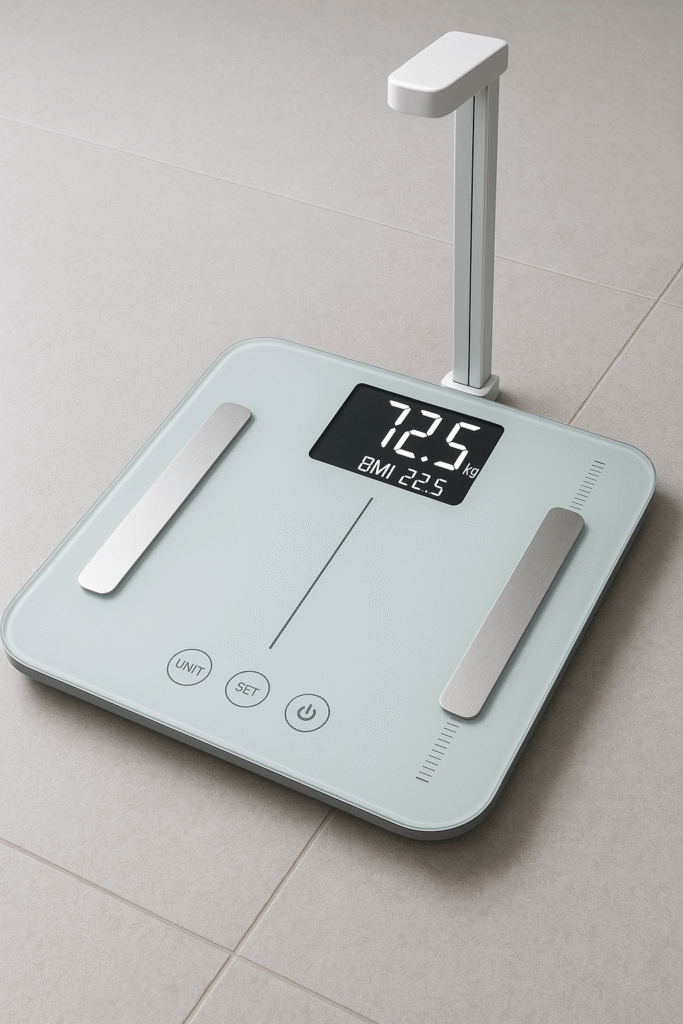
9. Digital Weighing Scale with BMI
- Why you need it: Helps track body weight, fat percentage, and overall fitness progress.
- Features to look for: Smart app sync, multiple user profiles, accuracy.
- Best for: Homes, gyms, and diet clinics.
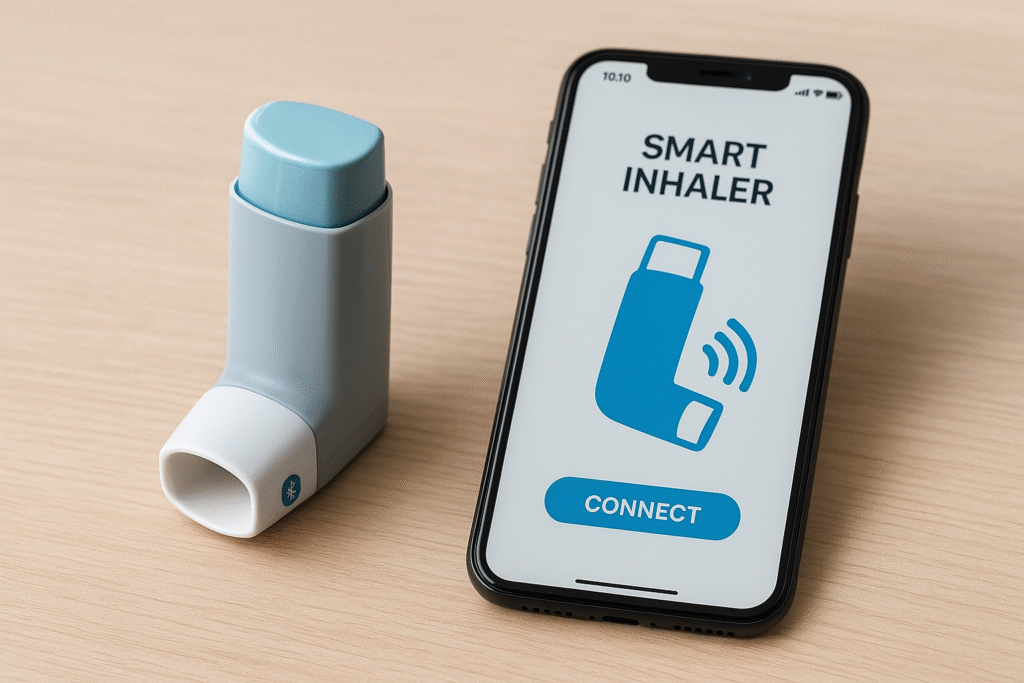
10. Smart Inhalers
- Why you need it: Improves asthma and COPD management with reminders and usage tracking.
- Features to look for: Bluetooth-enabled, dosage tracking, mobile app reminders.
- Best for: Patients managing chronic lung conditions.
How to Choose the Right Medical Device in 2025
When shopping for medical devices, consider these key factors:
- Accuracy: Always check for FDA/CE approval.
- Ease of Use: User-friendly interfaces are important for home settings.
- Connectivity: Many devices now sync with smartphones for better tracking.
- Price vs. Value: Don’t just go for the cheapest option—look for quality and durability.
Final Thoughts
Medical devices in 2025 are smarter, more accurate, and more accessible than ever before. Whether you need them for personal home care or professional practice, these top 10 devices can help improve health monitoring and save lives.
marijuana shipping europe with secure discreet packaging
Sorry, we only work with legal businesses. If your business is legal, we can provide affiliate marketing services for you. Thank you.